


Sea Freight Rates China to USA Per CBM: 2026 Logistics Guide
Navigating international logistics requires precision, especially when calculating sea freight rates China to USA per CBM for your business. Finding reliable shipping solutions is simplified when you partner with experts like Made In China Freight, your gateway to efficient global trade. Whether you are a first-time importer or a seasoned supply chain manager, understanding these costs is vital for your bottom line.
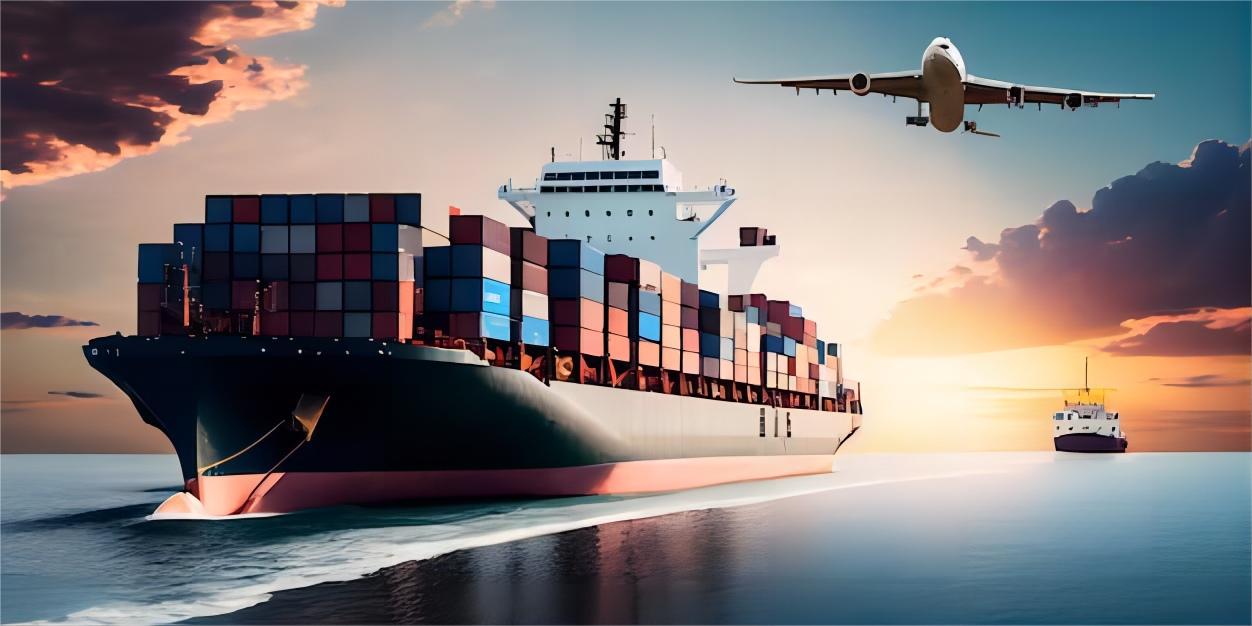
Understanding Sea Freight Rates China to USA Per CBM
Calculating costs involves more than just the base ocean rate. Generally, sea freight rates China to USA per CBM are determined by weight and volume, known as the weight-measure rule. Carriers typically charge based on whichever is greater, which impacts your total landed cost significantly.
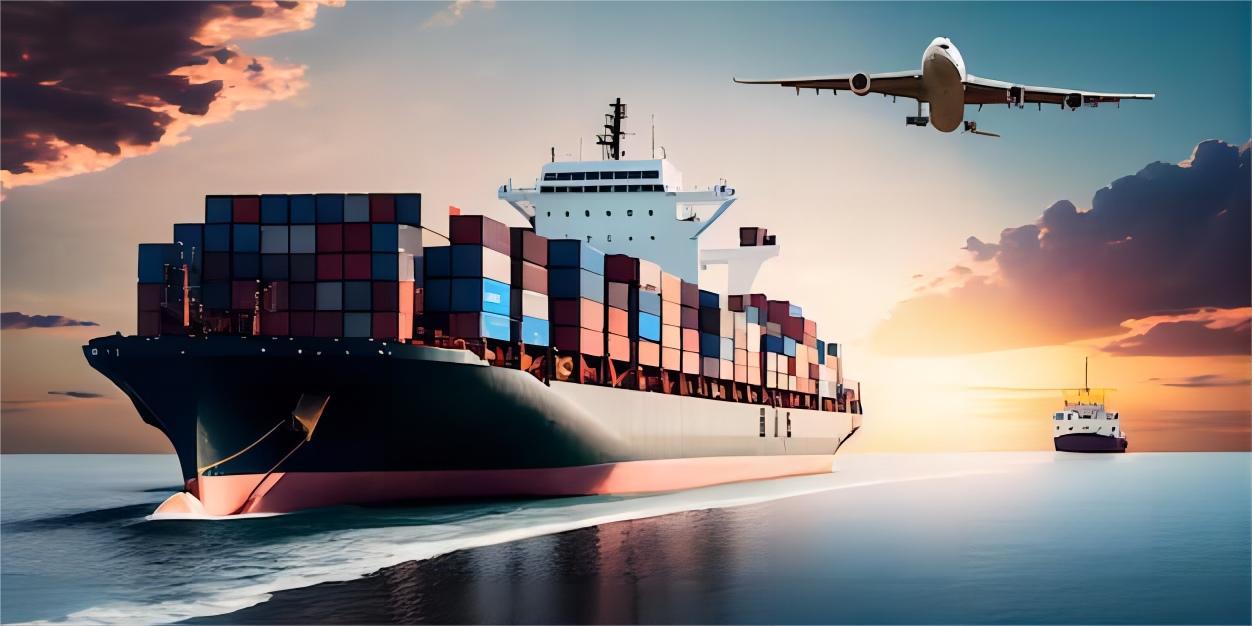
Additionally, factors such as fuel surcharges, peak season demand, and port congestion influence final pricing. Consequently, businesses often seek professional sea freight services to mitigate these unpredictable market variables.
How Does Sea Freight Compare to Other Shipping Options?
Choosing the right transport method depends on your specific delivery schedule and budget constraints. While sea shipping is highly cost-effective, time-sensitive cargo may require alternative solutions.
For urgent inventory, consider air freight for rapid delivery. Conversely, for inland destinations in the US, rail freight offers a middle ground between speed and cost.
Furthermore, utilizing Amazon FBA logistics can streamline your supply chain if you are selling directly through e-commerce platforms. For comprehensive management, many importers opt for door to door shipping to handle the entire transit process.
| Shipping Method | Cost Range | Transit Time | Best For |
|---|---|---|---|
| Sea Freight | Low ($50-$150/CBM) | 20-40 Days | Bulk Goods |
| Air Freight | High ($5-$10/kg) | 3-7 Days | Urgent Items |
| Rail Freight | Medium | 15-25 Days | Inland Hubs |
Navigating Customs and Logistics Trends in 2026
Importing goods requires strict adherence to international regulations. Professional customs brokerage is essential to avoid delays and unexpected fines at US ports.
Moreover, staying informed about current logistics trends ensures your business remains competitive. As of 2026, market stability has improved, though seasonal fluctuations still occur during peak Q3 and Q4 periods.
Case Study: Successful LCL Shipping
Case Study 1: Electronics Parts, Shanghai to Los Angeles
Route: Shanghai, China to Los Angeles, USA. Cargo: 5 CBM of electronics. Shipping Method: LCL Sea Freight. Total Cost: $750. Transit Time: 22 days. This shipment benefited from consolidated loading, reducing costs by 30 percent compared to air options.
Summary of Shipping Strategy
To summarize, balancing your budget with transit requirements is key to successful importing. By understanding sea freight rates China to USA per CBM, you can make informed decisions that protect your profit margins. Finally, always work with experienced partners to navigate the complexities of global logistics effectively.
Need a tailored shipping solution?
Ready to optimize your supply chain? Contact our team today to get a competitive quote for your next sea freight shipment. Visit https://madeinchinafreight.com/ to start your inquiry.
Frequently Asked Questions
What is CBM in shipping?
CBM stands for Cubic Meter. It is the standard unit of measurement for volume in ocean freight, calculated by multiplying length, width, and height of your cargo in meters.
Why do freight rates fluctuate?
Rates change based on fuel prices, carrier capacity, global demand, and peak shipping seasons. Port congestion and geopolitical events also play a significant role in price volatility.
What is the difference between FCL and LCL?
FCL stands for Full Container Load, where you pay for the entire container. LCL stands for Less than Container Load, where you share container space with other shippers, which is cheaper for smaller volumes.
How long does sea freight take to the USA?
Transit times typically range from 14 to 18 days for West Coast ports and 30 to 35 days for East Coast ports, though weather and port operations can cause variations.
Are there hidden costs in sea freight?
Yes, common extra costs include terminal handling charges, documentation fees, customs entry fees, and inland trucking charges from the port to your final warehouse.
How can I reduce my shipping costs?
Optimize your packaging to maximize CBM usage, book shipments well in advance of peak seasons, and consolidate smaller shipments into larger ones to benefit from lower rates.