


Sea Freight China to UK FCL Container Rates: 2026 Guide
Navigating the complexities of international trade requires a deep understanding of sea freight China to UK FCL container rates. For businesses aiming to scale, partnering with a reliable logistics provider like Made In China Freight is essential for maintaining a competitive edge. Our team ensures your cargo moves efficiently through global supply chains while managing volatile freight costs.
What Is the China to UK FCL Container Rates Ocean Freight Schedule?
FCL, or Full Container Load, remains the most cost-effective method for shipping high volumes from Asia to Europe. As of 2026, market stability has returned following previous supply chain disruptions, allowing for better planning. Nevertheless, businesses must remain aware of how fuel surcharges and carrier capacity influence the final price.
Additionally, choosing the right container size is critical for optimizing your budget. Whether you utilize a 20GP, 40GP, or 40HQ, understanding the space-to-cost ratio helps prevent unnecessary expenditure. For more details on specialized transport, visit our sea freight page.
Factors Influencing Shipping Costs in 2026
Multiple variables impact the final quote provided by your forwarder. Generally, seasonal demand spikes, such as the period leading up to the Lunar New Year, can cause significant rate fluctuations. Furthermore, port congestion and labor availability in major hubs like Felixstowe or Southampton play a major role in transit reliability.
To manage these risks, many importers prioritize door to door services. This approach simplifies the logistics process by consolidating origin and destination handling into a single transparent fee structure.
| Container Type | Typical Capacity | Cost Range (USD) | Best For |
|---|---|---|---|
| 20GP | 33 CBM | 2,000 – 2,800 | Heavy, dense goods |
| 40GP | 67 CBM | 3,200 – 4,200 | Standard retail cargo |
| 40HQ | 76 CBM | 3,500 – 4,500 | Lightweight, bulky items |
How Does Sea Freight Compare to Other Shipping Options?
Choosing the right mode of transport depends on your specific business requirements and timeline. While sea freight is the gold standard for cost-efficiency, other options might better suit urgent or smaller shipments.
For instance, air freight offers unmatched speed for time-sensitive goods but at a significantly higher price point. On the other hand, rail freight provides a balanced middle-ground for select European destinations, offering a faster alternative to sea without the heavy cost of air transport. For smaller shipments, consider our Amazon FBA services to streamline your inventory management.
| Method | Cost | Transit Time | Limitation |
|---|---|---|---|
| Sea | Low | 30-38 Days | Slower speed |
| Air | High | 5-7 Days | Expensive |
| Rail | Medium | 18-22 Days | Route restricted |
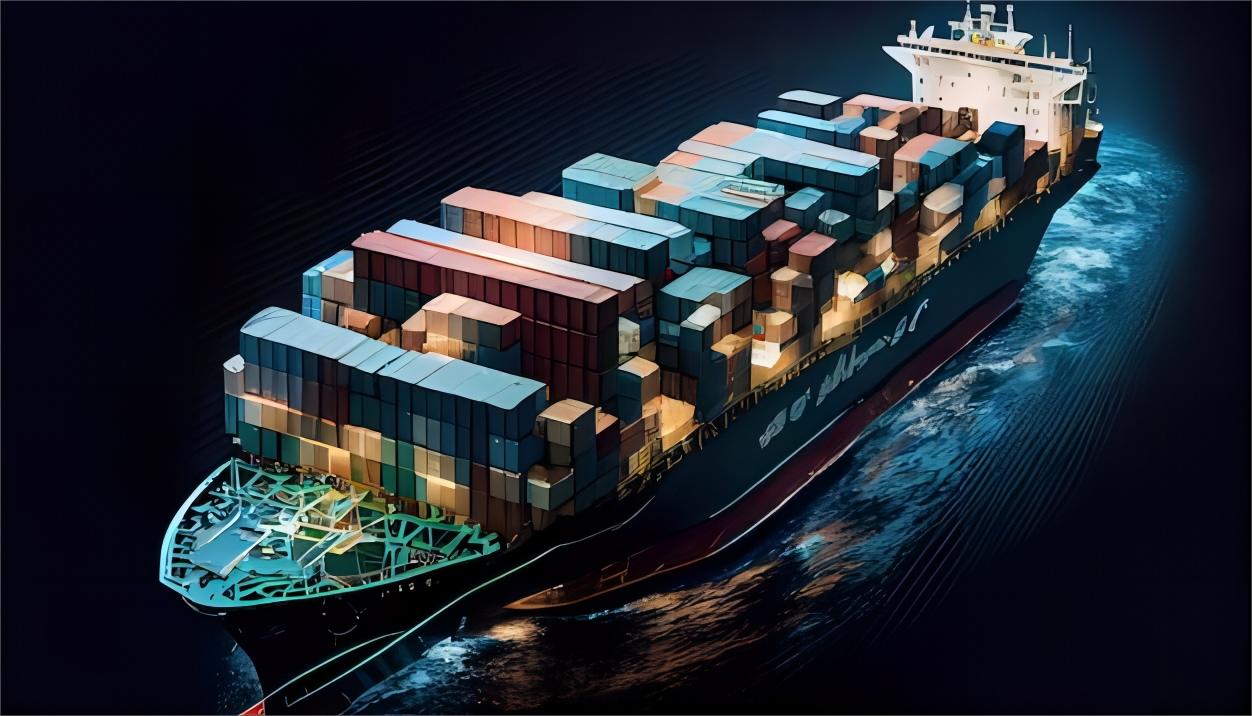
Case Study: Optimizing Routes for UK Imports
Case Study 1: Electronics Importer. Route: Shenzhen to Felixstowe. Cargo: 40HQ of consumer electronics. Shipping method: Direct Sea Freight. Total Landed Cost: $4,800. Key Insight: Booking during the off-peak season reduced costs by 15% compared to Q4 rates.
Case Study 2: Furniture Retailer. Route: Ningbo to London Gateway. Cargo: 2x 40HQ containers. Shipping method: Transshipment. Total Landed Cost: $7,200. Key Insight: Utilizing a transshipment hub provided a more flexible delivery schedule despite the slightly longer transit time. See rail freight for options that match this corridor.
Final Thoughts on Sea Freight China to UK FCL Container Rates
Securing the best sea freight China to UK FCL container rates requires a combination of market foresight and professional logistics support. By leveraging the right container size and choosing reliable shipping routes, businesses can effectively manage their supply chain costs.
Remember that market conditions are subject to change due to global events and seasonal shifts. Consequently, staying in constant communication with your freight forwarder ensures your cargo arrives on time and within budget.
Ready to streamline your logistics?
Ready to optimize your logistics? Contact our expert team today to get a competitive quote for your next shipment. Request a Quote Now
Request Quote