

China Freight Forwarder for Ecommerce Low Cost: 2026 Guide
Finding a reliable China freight forwarder for ecommerce low cost services is the most critical step for modern online sellers in 2026. Global trade dynamics have shifted, making it essential to partner with logistics experts who understand the nuances of the digital marketplace. Consequently, businesses that prioritize cost-effective shipping strategies often see a significant improvement in their profit margins. This comprehensive guide explores how to optimize your supply chain while maintaining high delivery standards.

Why You Need a China Freight Forwarder for Ecommerce Low Cost Solutions
Ecommerce businesses face unique challenges such as rapid stock turnover and high customer expectations for delivery speed. Therefore, a specialized forwarder can provide consolidated shipping options that reduce individual package costs. Moreover, they handle the complex logistics of moving goods from Chinese manufacturing hubs to global fulfillment centers. By leveraging their expertise, you can avoid common pitfalls that lead to expensive delays.
Cost reduction remains a primary goal for competitive sellers in today’s saturated market. For instance, using a low-cost forwarder allows you to reinvest savings into product development or marketing. Specifically, these partners leverage high-volume contracts with carriers to secure better rates than individual sellers could obtain on their own. This advantage is particularly beneficial for small to medium-sized enterprises looking to scale their operations globally.
Reliability is just as important as cost when selecting a logistics partner. Although many providers claim to offer the lowest rates, only a few can consistently deliver on their promises. Consequently, you must vet potential partners based on their track record, customer service, and ability to handle customs complexities. A truly effective forwarder acts as an extension of your business, ensuring that your supply chain remains robust and responsive to market changes.
How to Evaluate China Freight Forwarder for Ecommerce Low Cost Rates
Understanding how to evaluate shipping quotes is vital for any business owner looking to scale. In addition to the base freight rate, you must consider fuel surcharges, terminal handling charges, and documentation fees. Meanwhile, comparing multiple quotes ensures that you are receiving the most competitive market price available in 2026. It is also important to verify if the quote includes door-to-door delivery or just port-to-port services.
Reliable partners provide transparent pricing models without hidden costs that could derail your budget later. Consequently, you should look for a sea freight provider that offers detailed breakdowns of all origin and destination charges. This level of clarity helps in calculating the true landed cost of your inventory. Furthermore, transparent communication regarding potential extra fees, such as peak season surcharges, is a hallmark of a professional agency.
Comparing Air, Sea, and Rail Freight Options
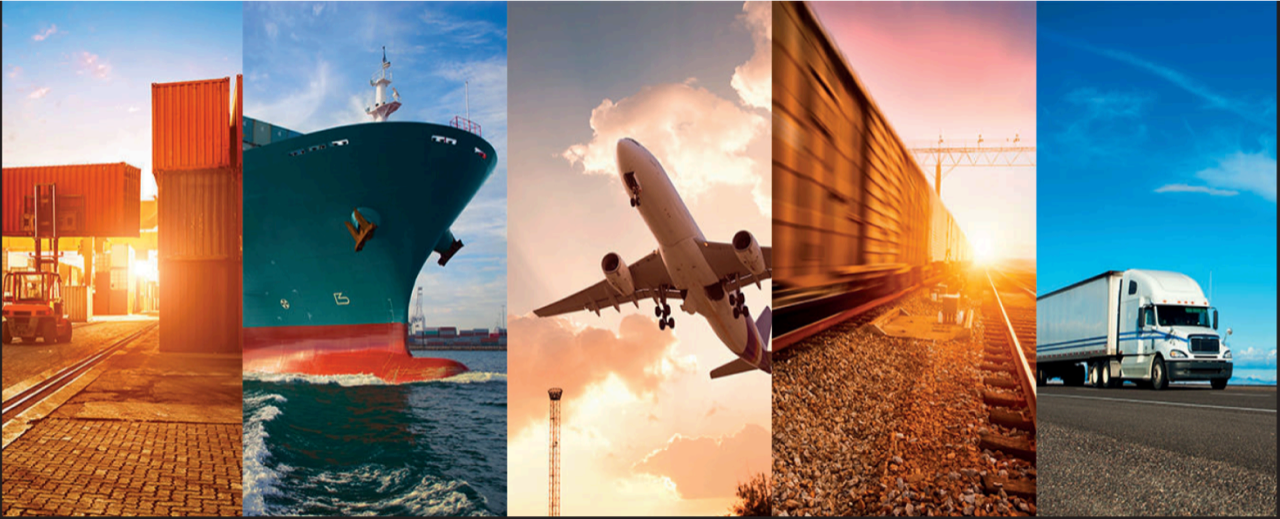
Choosing between air and ocean transport depends largely on your inventory needs and budget constraints. While air freight offers the fastest delivery times, it often comes at a premium price that might not suit low-margin products. However, it is an excellent choice for high-value electronics or urgent restocks during peak shopping seasons. In contrast, slower methods provide significant savings for bulkier items.
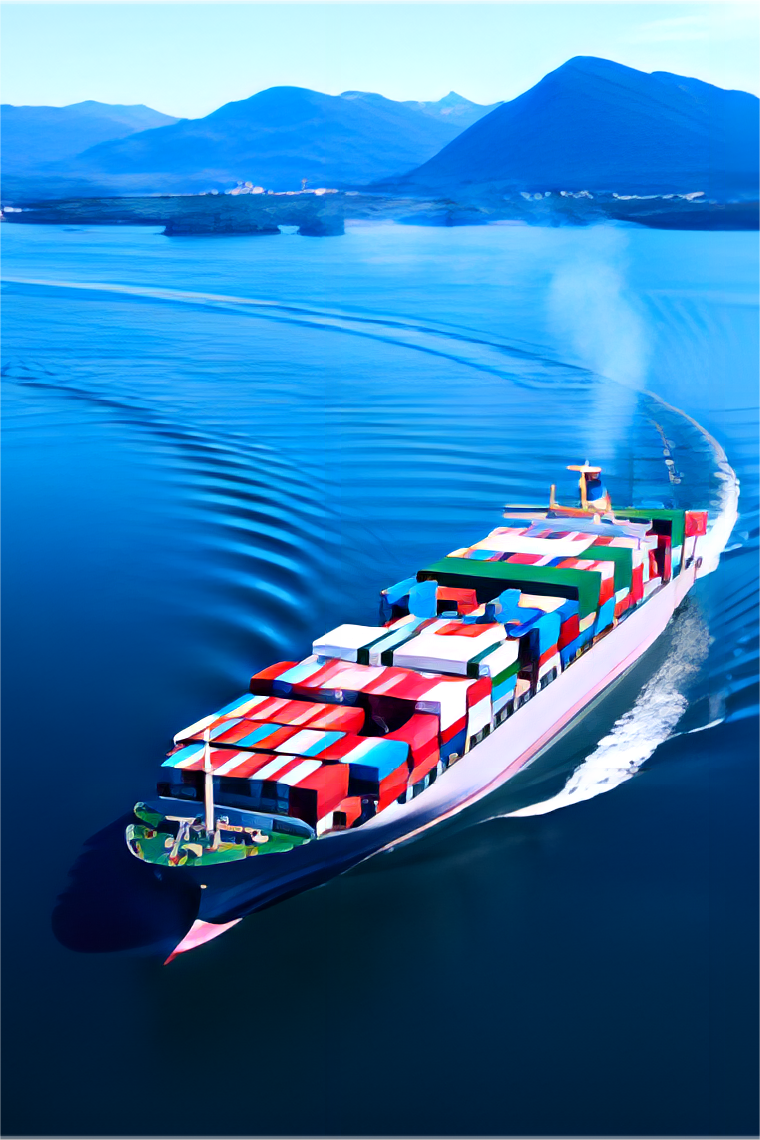
Ocean transport remains the most economical choice for large volumes of goods that do not require immediate delivery. For example, shipping a full container can significantly lower the cost per unit for bulky items like furniture or home decor. Furthermore, modern tracking technology allows you to monitor your shipment’s progress across the ocean in real-time. This visibility is crucial for managing customer expectations and planning marketing campaigns around arrival dates.
Rail freight has emerged as a viable middle ground for shipments between China and Europe. Specifically, it offers faster transit times than sea freight at a fraction of the cost of air transport. Consequently, many ecommerce sellers are adopting rail as a strategic alternative to balance speed and budget. This mode of transport is particularly effective for mid-weight goods that are too heavy for air but too urgent for the sea.
| Shipping Method | Average Cost (2026) | Transit Time | Best For |
|---|---|---|---|
| Sea Freight (LCL) | $150 – $300 per CBM | 30 – 45 Days | Bulk Goods |
| Air Freight | $5.50 – $12.00 per kg | 5 – 9 Days | High Value |
| Rail Freight | $180 – $350 per CBM | 18 – 24 Days | Mid-range |
| Express Courier | $8.00 – $15.00 per kg | 3 – 5 Days | Samples |
How Does Sea Freight Compare to Other Shipping Options?
While sea freight is the traditional choice for bulk cargo, alternatives like sea-air hybrids are gaining popularity in 2026. For instance, sea freight costs approximately $2,200 to $4,000 for a 40HQ container, whereas air freight for the same volume would be prohibitively expensive. Meanwhile, hybrid solutions can optimize both time and budget by using sea transport for the long haul and air for the final leg. This approach can save up to 40% in costs compared to pure air freight.
Shipping to North America often involves choosing between direct sea routes or transshipment options. Although direct routes are faster, transshipment via major hubs like Singapore or Busan can sometimes offer lower rates for non-urgent cargo. Therefore, evaluating these alternatives is a smart strategy for cost-conscious ecommerce brands. You should always ask your forwarder for a comparison of different routing options to find the best balance.
| Method | Cost Range | Transit Time | Limitations |
|---|---|---|---|
| Direct Sea | $2,500 – $3,800 | 14 – 22 Days | Higher Cost |
| Transshipment | $2,000 – $3,200 | 25 – 35 Days | Slower Delivery |
| Sea-Air Hybrid | $4.00 – $7.00/kg | 12 – 18 Days | Complex Routing |
Which Option Should You Choose? Decision Framework
Your decision should be guided by a combination of budget, speed, and cargo volume. If you prioritize budget above all else, sea freight LCL or FCL is the logical choice for most shipments. On the other hand, if you need to replenish stock quickly to avoid losing sales, air express is the better investment. Additionally, consider the nature of your product, as fragile or perishable items may require faster, more stable transport modes.
Volume thresholds play a significant role in determining the most cost-effective method. For shipments under 1 CBM, express courier services often provide the best value due to their all-inclusive nature. However, once you exceed 2 CBM, sea freight LCL typically becomes much cheaper despite the additional port fees. Consequently, sellers should calculate the total landed cost for each method before making a final commitment.
Maximizing Savings with Amazon FBA Logistics
Sellers using the Amazon FBA program need a forwarder who is intimately familiar with the platform strict delivery requirements. In addition to standard shipping, these specialists provide labeling, palletizing, and inspection services to ensure compliance. Indeed, failing to meet these standards can result in costly delays or rejected shipments at the fulfillment center. A specialized forwarder helps mitigate these risks through proactive management.
Efficient logistics management for FBA requires a partner who can handle the entire process from the factory door to the Amazon warehouse. Consequently, many sellers opt for door to door services to simplify their supply chain. This comprehensive approach minimizes the risk of errors and allows business owners to focus on sales growth. Furthermore, consolidated shipping allows multiple smaller orders to be combined into one larger shipment, significantly reducing the cost per unit.
Real-World Case Studies for Ecommerce Shipping
Case Study 1: Shenzhen to Los Angeles Electronics Shipment. A consumer electronics brand needed to ship 8 CBM of goods. Route: Shenzhen to Los Angeles. Cargo: 500kg Electronics, 8 CBM LCL. Shipping Details: Major carrier transshipment via Busan. Cost Breakdown: Ocean Freight $1,100, Origin Charges $350, Destination Charges $450, Customs $200. Total Landed Cost: $2,100. Timeline: 24 days door-to-door. Key Insight: Using LCL instead of air saved the client over $3,500 in shipping costs.
Case Study 2: Ningbo to Hamburg Home Decor. A home goods retailer shipped a full container for the Q4 peak season. Route: Ningbo to Hamburg. Cargo: Furniture, 40HQ Container. Shipping Details: Direct route via COSCO. Cost Breakdown: Ocean Freight $3,850, Origin Charges $400, Destination Charges $600, Customs $500. Total Landed Cost: $5,350. Timeline: 34 days. Key Insight: Early booking in August avoided the 20% price hike seen in late September 2025.
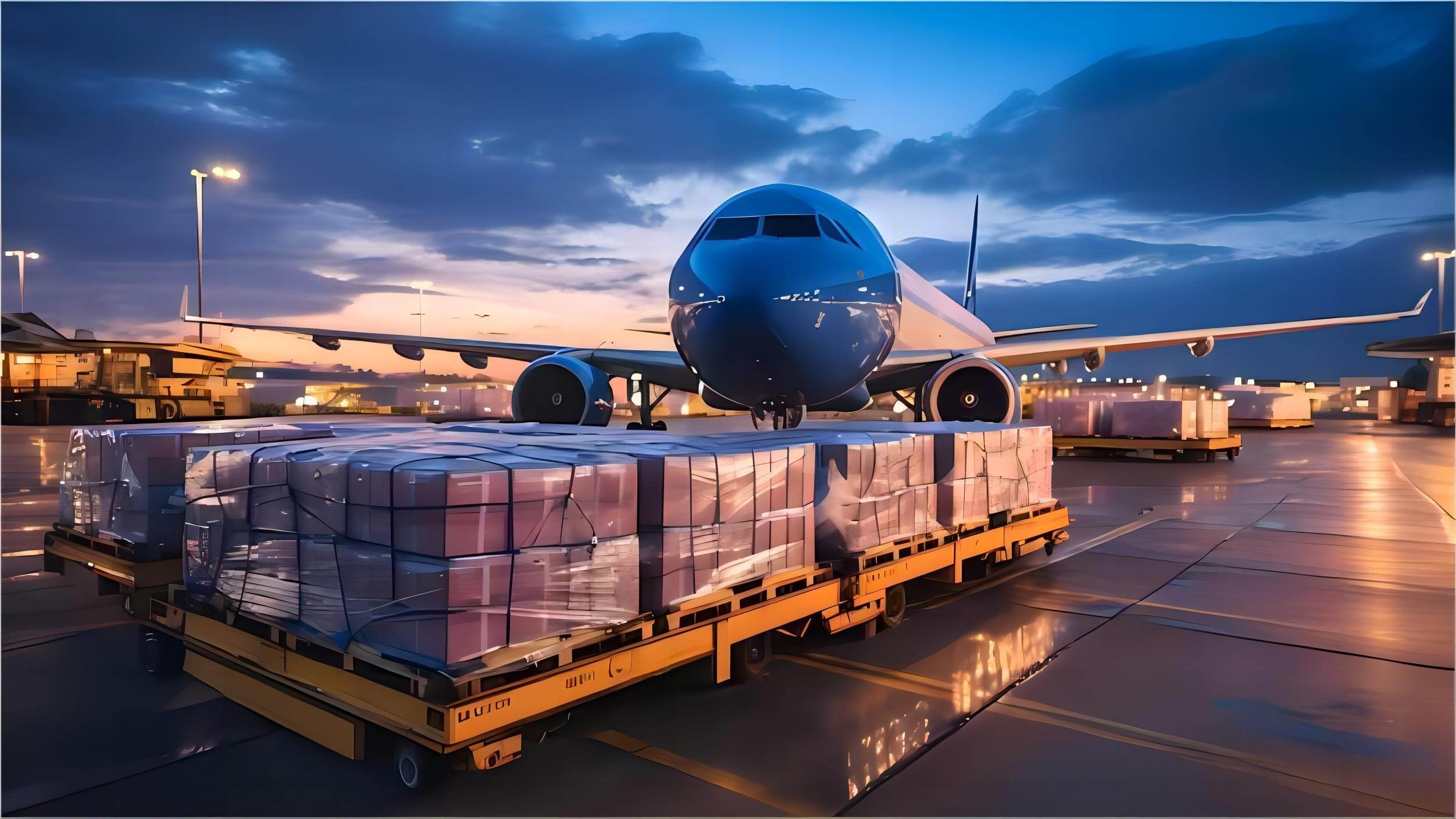
Case Study 3: Guangzhou to New York Apparel. A fashion brand required rapid replenishment of high-demand stock. Route: Guangzhou to NYC. Cargo: 200kg Apparel. Shipping Details: Air freight via Cathay Pacific. Cost Breakdown: Air Freight $1,400, Documentation $100, Customs $150. Total Landed Cost: $1,650. Timeline: 6 days. Key Insight: Although expensive, the speed allowed the brand to capitalize on a viral social media trend.
Market Intelligence and Trends for 2026
As we move into the second quarter of 2026, the logistics landscape has shifted significantly. According to industry benchmarks, freight rates from China to major Western ports have stabilized compared to the volatility seen in late 2025. Consequently, ecommerce sellers can now secure more predictable rates for their global shipments. However, fuel surcharges remain a variable factor that requires constant monitoring by your logistics partner.
Industry trends suggest an increasing move toward sustainable shipping practices. Many forwarders now offer carbon-neutral shipping options by utilizing bio-fuels or carbon offset programs. While these may carry a slight premium, they align with the growing consumer demand for eco-friendly brands. Therefore, integrating sustainability into your logistics strategy could provide a unique selling point for your ecommerce business in 2026.
Note: Freight rates are subject to change based on fuel costs, carrier capacity, and seasonal demand. Contact us for a current quote tailored to your specific shipment.
Final Thoughts on Low-Cost Ecommerce Logistics
To summarize, finding a China freight forwarder for ecommerce low cost shipping is a strategic necessity for long-term success. By understanding the various transport modes and leveraging the expertise of a professional partner, you can significantly reduce your overhead. Ultimately, a well-optimized supply chain is a powerful competitive advantage in the global ecommerce marketplace. Start planning your 2026 shipping strategy today to ensure consistent growth and profitability.

Need a tailored shipping solution?
Ready to optimize your supply chain with a China freight forwarder for ecommerce low cost solutions? Contact Made In China Freight today for a customized quote and expert logistics advice. Visit our website to learn more about our comprehensive shipping services.