

Along with competitive ocean freight rates, Made In China Freight delivers outstanding service at the destination port, ensuring a seamless and efficient delivery process.
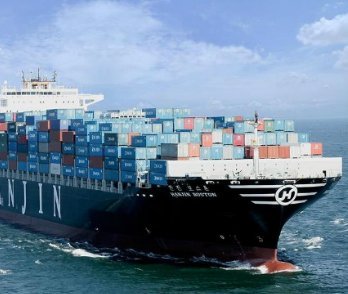
Singapore is an important market for us, with many clients based there. Through our contract rates with leading carriers like COSCO, OOCL, APL, EMC, MSK, and HMM, we offer competitive shipping rates from China to any Singaporean port.
Partnering with Made In China Freight makes shipping from China to Singapore simple and stress-free. Entrust your cargo to us, and we handle everything from start to finish. Made In China Freight is dedicated to being your trusted freight forwarder for China–Singapore shipments—contact us today for a tailored quote!
Made In China Freight provides competitive sea freight rates and customized shipping solutions from China to Singapore, including inland ports, designed to meet your required transit times.
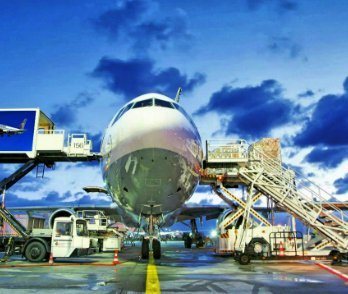
Made In China Freight selects the most appropriate airline for your shipment based on your timing needs. We are your trusted partner for air freight from China to Singapore, offering reliable and efficient forwarding solutions.
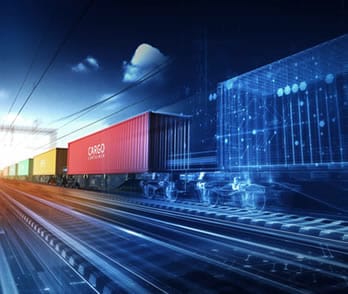
Made In China Freight chooses the most appropriate airline for your shipment according to your time-sensitive needs. We are your reliable partner for air freight from China to Singapore, providing efficient and professional forwarding solutions.
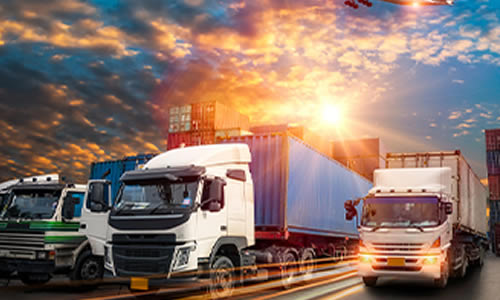
Leveraging our contract rates with leading carriers, we help lower your shipping expenses. By selecting FCL for shipments to Singapore, Made In China Freight becomes your trusted logistics partner.
Along with competitive ocean freight rates, Made In China Freight delivers outstanding service at the destination port, ensuring a seamless and efficient delivery process.
Made In China Freight provides China’s most fuel-efficient pickup service, delivering sustainable and cost-effective transportation solutions. Our focus on minimizing environmental impact while upholding high service standards makes us a reliable partner for all your shipping needs.
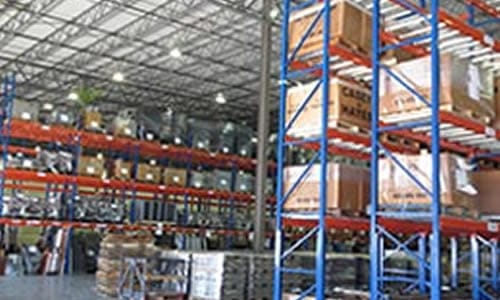
Made In China Freight delivers the most fuel-efficient pickup service in China, providing sustainable and cost-effective transportation solutions. Our dedication to minimizing environmental impact while upholding excellent service standards makes us a reliable partner for all your shipping needs.
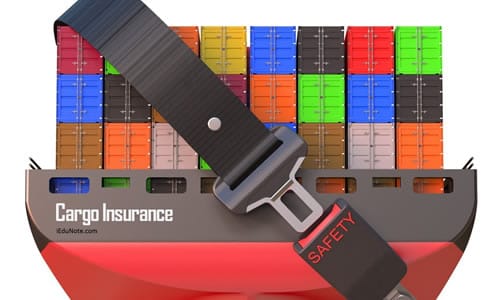
The cargo insurance ensures your goods are fully protected throughout the journey, all the way to any FBA (Fulfillment by Amazon) warehouse. This coverage guarantees peace of mind, safeguarding your shipments from potential risks during transit.

We take care of all the paperwork and logistics details on your behalf, ensuring a smooth and hassle-free shipping process from start to finish.
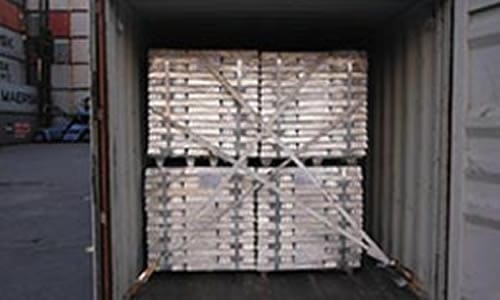
We ensure the safe packaging and proper loading of goods at your supplier's factory, taking every precaution to protect your cargo before it begins its journey.
Shipping times from China to Singapore are influenced by several factors. These include the chosen shipping method (air or sea), transit routes, customs processing times, and weather conditions. Additionally, the efficiency of the logistics company and the specific ports used can impact delivery times. For more accurate estimates, it's best to consult with your freight forwarder.
To expedite shipping from China to Singapore, opt for air freight instead of sea freight, as it is faster. Ensure all documentation is accurate and complete to avoid delays in customs. Working with a reputable freight forwarder who offers express services and real-time tracking can also speed up the process.
The primary shipping methods from China to Singapore are air freight and sea freight. Air freight is quicker but more expensive, typically taking 3 to 7 days. Sea freight is cost-effective but slower, generally taking 10 to 20 days. The choice depends on your budget and urgency.
Customs procedures can significantly affect shipping times. Delays may occur if documentation is incomplete or incorrect. Properly prepared paperwork and compliance with both Chinese and Singaporean regulations help to minimize delays. Work closely with your freight forwarder to ensure smooth customs processing.
Air freight is generally more expensive than sea freight. The cost of air freight is higher due to its speed and efficiency, making it suitable for urgent deliveries. Sea freight, while more economical, involves longer transit times. The choice between them should balance cost with delivery urgency.
Most freight forwarders and carriers offer tracking services. You can track your shipment using the tracking number provided by your logistics provider. This allows you to monitor the shipment’s status and estimated delivery time in real-time.
Essential documentation includes the commercial invoice, packing list, bill of lading (for sea freight) or air waybill (for air freight), and any required customs forms. Ensuring all documents are complete and accurate helps prevent delays and issues during transit.
Common delays can include customs clearance issues, inaccurate documentation, adverse weather conditions, or logistical disruptions. Planning ahead and ensuring all paperwork is correctly completed can help minimize potential delays.
Yes, shipping perishable goods requires special handling. Use air freight for faster delivery and ensure proper packaging to maintain temperature control. Compliance with health and safety regulations is crucial to avoid delays or issues upon arrival.
Yes, employing a freight forwarder is highly recommended for managing shipments from China to Singapore. They handle logistics, documentation, customs clearance, and can provide valuable advice on the most efficient shipping methods and routes.
Operations deal with the way the vehicles are operated, and the procedures set for this purpose, and policies. In the transport industry, operat ions and ownership of infrastructure can be either country.

Operations concern how vehicles are run, including the procedures and policies established for this purpose. In the transport industry, both operations and infrastructure ownership can be managed by a country.

Operations involve the management of vehicles, encompassing the procedures and policies put in place for their use. In the transport sector, a country can be responsible for both the operation of vehicles and the ownership of infrastructure.