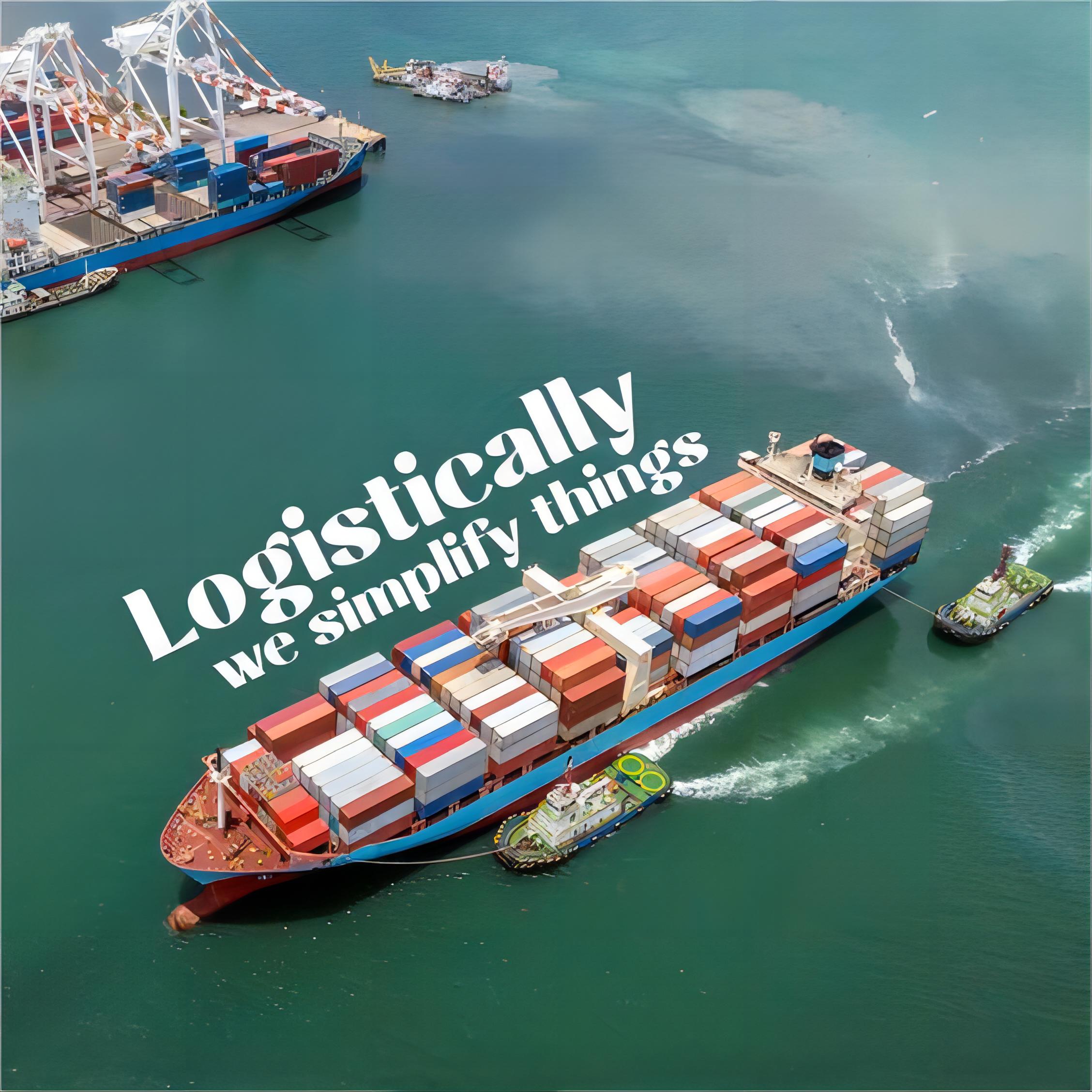

China Logistics Company by Sea France: 2025 Shipping Guide
Finding a reliable China logistics company by sea France is the cornerstone of a successful international trade strategy. Importers often face challenges such as fluctuating freight rates and complex customs regulations when moving goods from Asian hubs to European markets. Consequently, this guide provides a comprehensive overview of how to navigate the ocean freight landscape to ensure your cargo arrives safely and cost-effectively. Whether you are a small business owner or a large enterprise, understanding the nuances of maritime transport will help you optimize your supply chain and reduce overhead costs. We will explore the various shipping methods, documentation requirements, and cost-saving strategies essential for modern logistics.
Why Choose a China Logistics Company by Sea France?
Shipping goods via ocean freight remains the most economical method for transporting large volumes of inventory across the globe. Additionally, a dedicated logistics provider can manage the entire process, from factory pickup in China to final delivery in French cities like Paris or Lyon. Most businesses prefer sea freight because it offers a significant cost advantage over air transport, especially for bulky or heavy items.
Moreover, the reliability of modern shipping schedules allows companies to plan their inventory cycles with greater precision. However, the complexity of international maritime law and port operations requires the expertise of a seasoned professional. By partnering with an experienced freight forwarder, you can mitigate risks associated with port congestion and documentation errors. This partnership ensures that your supply chain remains resilient even during periods of global economic volatility.
Furthermore, environmental considerations are becoming increasingly important for European businesses. Sea freight has a lower carbon footprint per ton-kilometer compared to air freight, making it a more sustainable choice for eco-conscious brands. Consequently, choosing ocean transport helps your company meet corporate social responsibility goals while maintaining a healthy bottom line. This strategic choice balances economic efficiency with environmental stewardship.
Understanding FCL and LCL Shipping Methods
Importers must choose between Full Container Load (FCL) and Less than Container Load (LCL) based on their specific cargo volume and budget. Specifically, sea freight services provide the flexibility to scale your shipping needs according to demand. If you have enough goods to fill a 20ft or 40ft container, FCL is generally the most efficient and secure option. It reduces handling risks since the container is sealed at the origin and only opened at the destination.
On the other hand, LCL is ideal for smaller shipments that do not require an entire container. In this scenario, your cargo shares space with goods from other importers, allowing you to pay only for the volume you use. Although LCL involves more handling and slightly longer transit times due to consolidation, it remains a vital tool for managing smaller inventory batches. Businesses often use LCL to test new products in the French market without committing to massive shipping volumes.
Ultimately, the decision between FCL and LCL depends on your total landed cost calculations and delivery deadlines. For shipments exceeding 15 cubic meters, switching to FCL often becomes more cost-effective. Meanwhile, LCL provides a low-entry barrier for startups and niche retailers. Below is a comparison of these two primary sea freight methods to help you decide.
| Feature | FCL (Full Container) | LCL (Less than Container) | Best Use Case |
|---|---|---|---|
| Cost Structure | Flat rate per container | Rate per cubic meter | FCL for bulk goods |
| Security | High (Sealed container) | Moderate (Shared space) | FCL for fragile items |
| Transit Time | Faster (Direct) | Slower (Consolidation) | FCL for tight dates |
| Flexibility | Lower | Higher | LCL for small orders |
How Does Sea Freight Compare to Other Shipping Options?
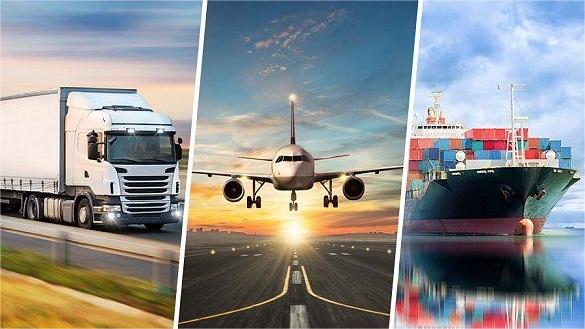
While sea freight is the primary choice for many, it is essential to consider alternatives like air freight or rail transport. For instance, air shipping is significantly faster but can cost five to ten times more than ocean transport. Consequently, businesses usually reserve air freight for high-value electronics or urgent replenishment of out-of-stock items. It is rarely sustainable for low-margin consumer goods.
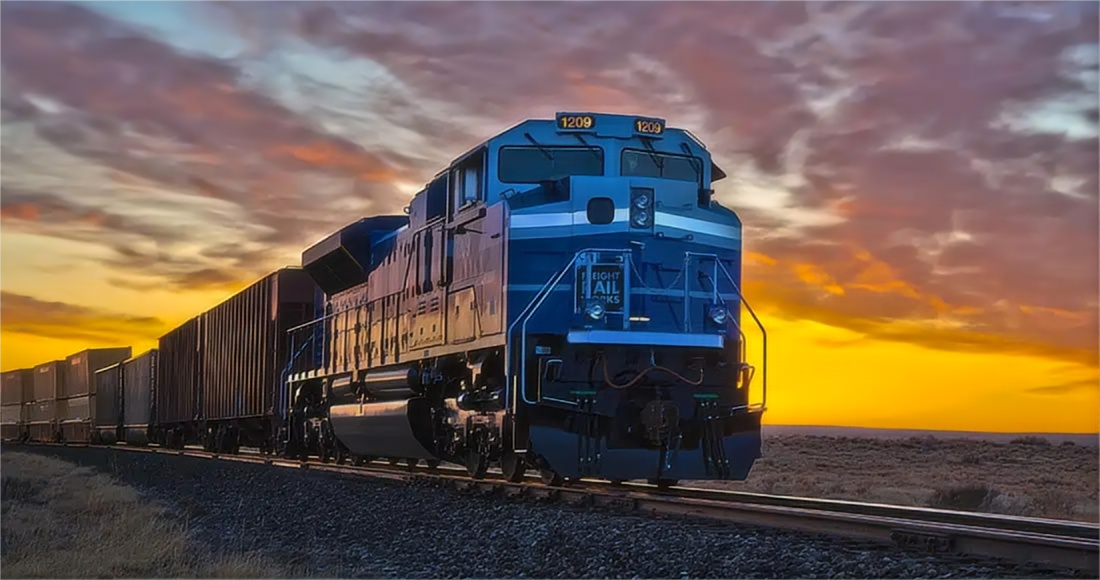
Similarly, rail freight has emerged as a middle-ground solution for the China-Europe corridor. It offers faster transit times than the sea while remaining more affordable than the air. However, rail capacity can be limited by geopolitical factors and infrastructure constraints. Therefore, sea freight remains the backbone of global trade due to its massive capacity and established routes. Importers must weigh the trade-off between speed and cost when selecting their primary logistics strategy.
In addition, hybrid solutions such as sea-air combinations are gaining popularity. These strategies involve shipping goods by sea to a major hub like Dubai and then flying them to France. This approach can save significant time compared to a full sea voyage while keeping costs lower than a direct flight. Analyzing these alternatives allows you to create a more flexible and responsive supply chain.
| Shipping Method | Cost Range (Est.) | Transit Time | Best For |
|---|---|---|---|
| Sea Freight | $2,000 – $4,500 | 30 – 40 Days | Bulk Inventory |
| Air Freight | $8,000 – $18,000 | 5 – 9 Days | Urgent Shipments |
| Rail Freight | $4,000 – $7,000 | 18 – 25 Days | Mid-range Budget |
Essential Documentation for French Customs
Navigating the bureaucratic requirements of French customs is a critical step in the logistics process. Specifically, working with a professional Customs Brokerage service ensures that all paperwork is compliant with EU regulations. Errors in documentation can lead to costly delays, storage fees, and even the seizure of goods. Therefore, you must ensure that your commercial invoice, packing list, and bill of lading are perfectly synchronized.
Additionally, every importer into France must have an Economic Operators Registration and Identification (EORI) number. This unique identifier is used by customs authorities to track shipments throughout the European Union. Without an EORI number, your goods will be held at the port of entry indefinitely. Furthermore, you must accurately declare the Harmonized System (HS) codes for your products to ensure correct duty and tax calculations.
Importantly, certain goods may require additional certificates, such as CE marking for electronics or phytosanitary certificates for agricultural products. Your logistics partner should verify these requirements well before the cargo leaves the port in China. By being proactive with documentation, you avoid the common pitfalls that plague inexperienced importers. This attention to detail is what separates successful traders from those who struggle with logistical bottlenecks.
Factors Influencing Shipping Costs in 2025
Several variables contribute to the total cost of shipping from China to France. For example, fuel surcharges, known as the Bunker Adjustment Factor (BAF), fluctuate based on global oil prices. Additionally, seasonal demand plays a massive role in pricing. During the peak season from August to October, rates can spike by 20% or more as retailers stock up for the holiday period. Consequently, booking your shipments well in advance is a key strategy for securing lower rates.
Moreover, port congestion and labor strikes can lead to unexpected surcharges and delays. As of early 2025, market data suggests that freight rates have stabilized, but geopolitical tensions in key maritime corridors like the Red Sea can still cause sudden volatility. Importers should also account for terminal handling charges and inland transportation costs at both ends of the journey. These ‘hidden’ fees can significantly impact your total landed cost if not properly budgeted.
Indeed, the choice of port can also influence the price. Shipping to major hubs like Marseille or Le Havre might offer more competitive rates due to higher vessel frequency. However, if your final destination is in the north of France, choosing a smaller local port might save you money on inland trucking. Always request a detailed quote that breaks down every fee to ensure transparency. Note: Freight rates are subject to change based on fuel costs, carrier capacity, and seasonal demand. Contact us for a current quote tailored to your specific shipment.
Case Studies: Real-World Shipping Scenarios
Reviewing real-world examples helps importers understand the practicalities of sea freight logistics. Below are two detailed case studies based on actual shipments from late 2024 and early 2025.
Case Study 1: High-Volume Textile Shipment. Route: Ningbo, China to Le Havre, France. Cargo: Cotton Apparel, 65 CBM, 12,000 kg. Container: 40HQ. Shipping Details: Carrier: Maersk; Port of Loading: Ningbo; Port of Discharge: Le Havre; Route Type: Direct. Cost Breakdown: Ocean Freight: $3,200; Origin Charges: $450; Destination Charges: $550; Customs and Duties: $1,200; Total Landed Cost: $5,400. Timeline: Booking to Loading: 5 days; Sea Transit: 33 days; Customs Clearance: 2 days; Total Door-to-Door: 40 days. Key Insight: Direct routing minimized handling risks for delicate textiles during the peak season.
Case Study 2: Industrial Machinery Parts. Route: Shanghai, China to Marseille, France. Cargo: Precision Components, 8 CBM, 2,500 kg. Container: LCL. Shipping Details: Carrier: MSC; Port of Loading: Shanghai; Port of Discharge: Marseille; Route Type: Transshipment via Singapore. Cost Breakdown: Ocean Freight: $850; Origin Charges: $200; Destination Charges: $300; Customs and Duties: $600; Total Landed Cost: $1,950. Timeline: Booking to Loading: 7 days; Sea Transit: 38 days; Customs Clearance: 3 days; Total Door-to-Door: 48 days. Key Insight: Using LCL allowed the client to maintain inventory levels without the cost of a full container.
Which Option Should You Choose for Your Business?
Selecting the right shipping method requires a careful analysis of your business priorities. If your primary goal is to minimize costs and you have a flexible timeline, sea freight is the undisputed winner. For shipments over 15 CBM, you should almost always opt for FCL to benefit from better security and faster transit. Conversely, if you are shipping small batches or samples, LCL provides the necessary flexibility to keep your cash flow healthy.
Furthermore, consider a door to door service if you want to minimize your involvement in the logistical minutiae. This comprehensive service handles everything from the factory floor in China to your warehouse in France. It is particularly beneficial for businesses without a dedicated logistics department. By outsourcing the complexity, you can focus on marketing and sales while your freight forwarder manages the transit.
Ultimately, the best choice often involves a mix of methods. Many successful importers use sea freight for 90% of their inventory and keep a small budget for air freight to handle emergencies. This balanced approach ensures that you are never completely out of stock while keeping your average shipping cost per unit low. Evaluate your historical data and sales forecasts to determine the most efficient mix for your specific needs.
Partnering with a China Logistics Company by Sea France
Choosing the right partner is the most important decision you will make in your import journey. A professional China logistics company by sea France will offer more than just a shipping rate; they will provide strategic advice on route optimization and customs compliance. They should have a strong network of agents in both China and France to handle any local issues that may arise. This local presence is vital for resolving port delays or documentation discrepancies quickly.
Additionally, look for a provider that offers transparent tracking and communication. In the modern world, knowing exactly where your cargo is located provides peace of mind and allows you to update your customers accurately. Furthermore, ensure that your logistics provider offers comprehensive insurance options. While maritime accidents are rare, the high value of a full container makes cargo insurance a non-negotiable expense for any serious business.
In conclusion, the right logistics partner acts as an extension of your own team. They understand your business goals and work tirelessly to ensure your goods arrive on time and within budget. By following the strategies outlined in this guide and leveraging the expertise of a professional freight forwarder, you can build a robust and profitable import business between China and France. Success in international trade is built on reliable logistics and strong partnerships.
Final Thoughts on Shipping from China to France
Navigating the waters of international trade requires a combination of strategic planning and reliable partnerships. By choosing a professional China logistics company by sea France, you gain access to the expertise needed to manage complex supply chains effectively. Sea freight remains the most cost-efficient and sustainable way to move large volumes of goods across the globe.
Remember to prioritize accurate documentation, choose the right shipping method between FCL and LCL, and stay informed about market trends. Whether you are shipping textiles, electronics, or industrial machinery, the principles of efficient ocean freight remain the same. Start optimizing your logistics today to ensure long-term success in the competitive French market.
Ready to streamline your logistics?
Streamline your international trade today by partnering with a trusted China logistics company by sea France. Our team of experts is ready to provide you with a competitive quote and a customized shipping strategy that fits your unique business needs. Visit our website to learn more or contact us directly to start your next shipment. Send Inquiry.