

Sea Freight China to South Africa Container Rates 2026 Guide
Navigating sea freight China to South Africa container rates requires a deep understanding of current logistics trends and carrier capacity. Businesses looking to streamline their supply chain can find comprehensive support at https://madeinchinafreight.com/ to manage their international shipping needs effectively. Whether you are a first-time importer or a seasoned trader, mastering these costs is essential for maintaining profitability in 2026.
Understanding Sea Freight China to South Africa Container Rates
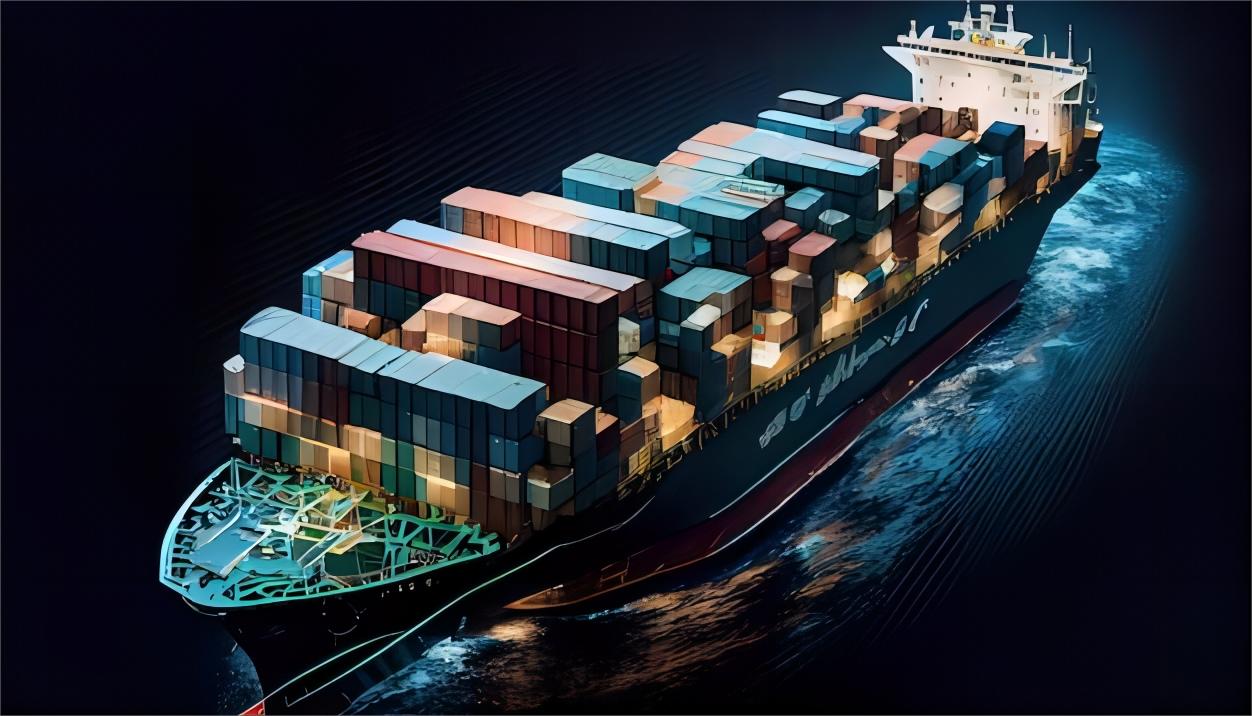
International shipping costs fluctuate based on fuel surcharges, seasonal demand, and vessel availability. As of early 2026, freight rates from China to South Africa remain sensitive to global trade conditions and port congestion levels.
Most shippers opt for sea freight because it provides the most cost-effective solution for large-volume cargo movements. Understanding the difference between 20GP, 40GP, and 40HQ containers is the first step in calculating your total logistics expenditure.
Furthermore, seasonal spikes often occur during the pre-holiday period. Consequently, businesses should plan their shipping schedules well in advance to secure better pricing and vessel space.
How Does Sea Freight Compare to Other Shipping Options?
Choosing the right transport method depends entirely on your budget and delivery deadlines. While sea freight is the gold standard for bulk goods, other methods might suit urgent or smaller shipments.
For instance, air freight is significantly faster but comes at a premium cost. Alternatively, if you need a middle-ground solution, rail freight can offer a balance between speed and expense, though it is not applicable for all routes.
Additionally, businesses often utilize door to door services to simplify the entire supply chain process. Relying on professional customs brokerage ensures that your cargo clears borders without unnecessary delays or fines.
| Shipping Method | Cost Level | Transit Time | Best For |
|---|---|---|---|
| Sea Freight | Low | 25-35 days | Bulk/Heavy |
| Air Freight | High | 3-7 days | Urgent/Light |
| Rail Freight | Medium | 15-20 days | Mid-size |

Case Study 1: Electronics Import
Route: Shenzhen to Durban. Cargo: 20 CBM electronics. Shipping Method: LCL Sea Freight. Cost: $1,200. Transit Time: 32 days. This shipment utilized consolidation to keep costs low while ensuring safe handling of sensitive items.
Final Thoughts on Shipping Efficiency
In summary, monitoring sea freight China to South Africa container rates is a continuous process that demands attention to market shifts. By leveraging professional logistics partners, you can mitigate risks and ensure timely delivery.
Always remember that the cheapest option is not always the best when customs and handling quality are considered. Prioritize reliability and transparency to grow your business effectively throughout 2026.
Need a tailored shipping solution?
Ready to optimize your logistics? Contact our expert team today to get a competitive quote for your next sea freight China to South Africa shipment. Visit our inquiry page to start your journey.