

China Container Shipping Rates Pricing: 2026 Comprehensive Guide
Understanding China container shipping rates pricing is essential for any business involved in international trade. As we move through 2026, global logistics markets continue to experience significant shifts in supply and demand. Partnering with a professional logistics provider like Made In China Freight allows you to navigate these complexities with confidence. This guide provides deep insights into current pricing trends, cost-saving strategies, and effective shipping methods for your cargo.

What Factors Influence China Container Shipping Rates Pricing?
Several variables determine the final cost of moving goods from China to international destinations. Fuel costs, often referred to as Bunker Adjustment Factors, play a primary role in monthly price fluctuations. Moreover, the balance between available vessel capacity and market demand can cause rates to spike during busy periods.

Seasonal trends significantly impact the market as well. For instance, the months leading up to the Lunar New Year and the Q3 peak season typically see the highest rates of the year. Additionally, port congestion and labor availability at major hubs like Shanghai or Ningbo can introduce unexpected surcharges.
Geopolitical events and regional stability also dictate how carriers set their prices. Consequently, shippers must remain flexible and monitor market updates frequently to secure the best possible deals. Indeed, staying informed is the first step toward managing your logistics budget effectively.
How Does Sea Freight Compare to Other Shipping Options?
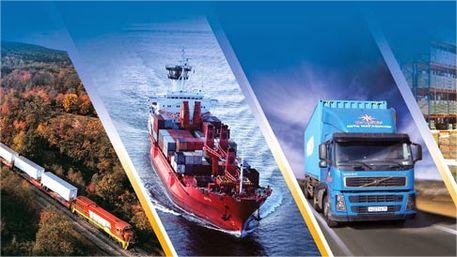
Choosing the right mode of transport depends on your specific budget and timeline requirements. While sea freight remains the most economical choice for large volumes, it offers the longest transit times. In contrast, air transport provides rapid delivery for high-value or time-sensitive items.
Rail freight has emerged as a reliable middle ground for shipments heading to Europe. It offers faster transit than the ocean but at a lower cost than air. However, it is important to note that rail options are not available for routes to North America or Australia.
Below is a comparison of the primary shipping methods available in 2026. This table helps you visualize the trade-offs between speed and cost for various logistics strategies.
| Shipping Method | Cost Range | Transit Time | Best For |
|---|---|---|---|
| Sea Freight (FCL) | Low ($2,000-$5,000) | 20-45 Days | Large Bulk Shipments |
| Air Freight | High ($5-$12/kg) | 3-7 Days | Urgent/High Value |
| Rail Freight | Medium ($3,500-$6,000) | 15-22 Days | China to Europe |
| Express Service | Highest ($8-$15/kg) | 2-5 Days | Small Parcels/Samples |
Should You Choose FCL or LCL for Your Shipment?
Deciding between Full Container Load and Less than Container Load is a critical step in optimizing China container shipping rates pricing. FCL involves renting an entire 20ft or 40ft container for your exclusive use. This method is generally safer and faster because the container is sealed at the origin and only opened at the destination.
LCL is more suitable for smaller shipments that do not fill a whole container. In this scenario, your goods share space with cargo from other shippers. Although LCL can be more cost-effective for low volumes, it often involves higher handling fees and longer transit times due to the consolidation process.
Typically, if your shipment exceeds 15 cubic meters, FCL becomes the more economical choice. Furthermore, FCL allows for better inventory management and reduces the risk of damage during transit. Meanwhile, LCL remains a vital tool for small businesses testing new products in the global market.
Alternative Shipping Strategies for 2026
Innovative logistics managers often use hybrid solutions to balance costs and speed. For example, sea-air combinations involve shipping goods by sea to a hub like Dubai and then flying them to the final destination. This approach can save up to 40 percent compared to pure air freight while cutting sea transit time in half.
Another effective strategy involves transshipment through secondary ports. While direct routes are faster, they often carry a premium price tag. By choosing a route with one or two stops, you might reduce your ocean freight costs by 10 to 15 percent.
For those moving goods to landlocked regions, rail freight provides a consistent alternative to volatile ocean schedules. It is particularly useful for automotive parts and industrial machinery. Nevertheless, always verify the current stability of rail corridors before booking your cargo.
Real-World Case Studies for China Container Shipping
Reviewing actual shipping scenarios provides a clearer picture of what to expect regarding costs and timelines. These cases reflect market conditions in early 2026. They illustrate how different variables impact the final landed cost of your products.
Case Study 1: Electronics to Los Angeles. Route: Shenzhen to Los Angeles. Cargo: Consumer Electronics, 68 CBM, 12,000 kg. Container: 40HQ. Carrier: Major Carrier. Port of Loading: Shenzhen. Port of Discharge: Los Angeles. Ocean Freight: $3,800. Origin Charges: $450. Destination Charges: $850. Customs and Duties: $2,200. Total Landed Cost: $7,300. Sea Transit: 16 days. Total Door-to-Door: 24 days.
Case Study 2: Machinery to Hamburg. Route: Ningbo to Hamburg. Cargo: Industrial Parts, 28 CBM, 8,500 kg. Container: 20GP. Carrier: COSCO. Port of Loading: Ningbo. Port of Discharge: Hamburg. Ocean Freight: $2,400. Origin Charges: $400. Destination Charges: $700. Customs and Duties: $1,500. Total Landed Cost: $5,000. Sea Transit: 32 days. Total Door-to-Door: 42 days.
Case Study 3: Furniture to Sydney. Route: Shanghai to Sydney. Cargo: Home Furniture, 8 CBM. Method: LCL. Carrier: Major Carrier. Port of Loading: Shanghai. Port of Discharge: Sydney. Ocean Freight: $95 per CBM ($760 total). Origin Charges: $300. Destination Charges: $550. Customs and Duties: $900. Total Landed Cost: $2,510. Sea Transit: 18 days. Total Door-to-Door: 28 days.
Which Option Should You Choose?
Your choice should align with your primary business objectives. If your priority is the lowest possible cost, sea freight FCL is the clear winner for large volumes. Conversely, if you are shipping urgent inventory for Amazon FBA, you might need the speed of air or express services.
Budget priority: Choose Sea Freight LCL for small volumes or FCL for large volumes. Speed priority: Choose Air Freight or Express. Reliability priority: Choose FCL to minimize handling and potential delays. Always consider the total landed cost rather than just the freight rate.
Additionally, evaluate the nature of your cargo. Fragile or high-value items often justify the higher expense of air transport due to reduced handling. On the other hand, durable bulk goods are perfectly suited for the long journey across the ocean.
Understanding Transit Times by Destination
Transit times vary significantly based on the distance and the efficiency of the ports involved. Shipping to the US West Coast is much faster than shipping to the East Coast via the Panama Canal. Similarly, direct routes to Europe take roughly 30 to 35 days under normal conditions.
Below is a summary of typical transit times from major Chinese ports to global destinations in 2026. Note that these are port-to-port estimates and do not include inland trucking or customs clearance time.
| Destination Region | Port-to-Port Time | Door-to-Door Time | Primary Ports |
|---|---|---|---|
| North America (West) | 14-18 Days | 22-28 Days | LA, Long Beach |
| North America (East) | 28-35 Days | 35-45 Days | NY, Savannah |
| Europe | 30-38 Days | 40-50 Days | Rotterdam, Felixstowe |
| Australia | 12-18 Days | 20-28 Days | Sydney, Melbourne |
Strategies to Reduce Your Shipping Costs
Reducing your logistics spend requires proactive planning and smart negotiation. One effective method is to consolidate multiple small orders into a single FCL shipment. This reduces the per-unit cost and simplifies the customs process.
Furthermore, booking your shipments at least 3-4 weeks in advance can help you avoid last-minute rate hikes. Carriers often offer better pricing to those who provide early volume forecasts. It is also wise to avoid shipping during peak periods if your inventory levels allow for it.
Working with a specialized customs brokerage can also save you money. They ensure your goods are classified correctly, preventing overpayment of duties and avoiding costly fines for non-compliance. Indeed, a professional partner is an investment that pays for itself through efficiency.
Essential Customs Documentation for 2026
Accurate documentation is the backbone of a smooth shipping process. Missing or incorrect paperwork can lead to port storage fees, which quickly erode your profit margins. Ensure that your commercial invoice, packing list, and bill of lading are all perfectly aligned.
In 2026, many customs authorities have shifted toward fully digital filing systems. Consequently, providing high-quality digital copies of your certificates of origin and insurance policies is mandatory. Furthermore, specific products may require additional permits or safety certifications depending on the destination country.
Typical documents include the Commercial Invoice, Packing List, Bill of Lading, and Certificate of Origin. For certain commodities, you may also need a Material Safety Data Sheet or a Phytosanitary Certificate. Always verify the specific requirements with your freight forwarder before the vessel departs.
Final Thoughts on 2026 Shipping Trends
Navigating China container shipping rates pricing in 2026 involves a balance of market knowledge and strategic planning. By understanding the differences between FCL and LCL, and monitoring seasonal trends, you can significantly reduce your overhead. Always remember that the cheapest rate is not always the best value if it leads to delays or damaged goods.
Partnering with an experienced freight forwarder provides the stability needed in a volatile market. Whether you are shipping to North America, Europe, or Australia, having a clear strategy for your container pricing will ensure long-term success. Stay proactive, keep your documentation in order, and continue to evaluate alternative shipping methods to maintain a competitive edge.
Get Your Shipping Quote Today
Optimizing your China container shipping rates pricing requires the right expertise and a reliable network. Contact Made In China Freight today to receive a customized quote that fits your budget and delivery schedule. Let our team of professionals handle the complexities of global logistics while you focus on growing your business. Send Inquiry:
Request Quote