

China to Canada Shipping Singapore: The Ultimate Logistics Guide
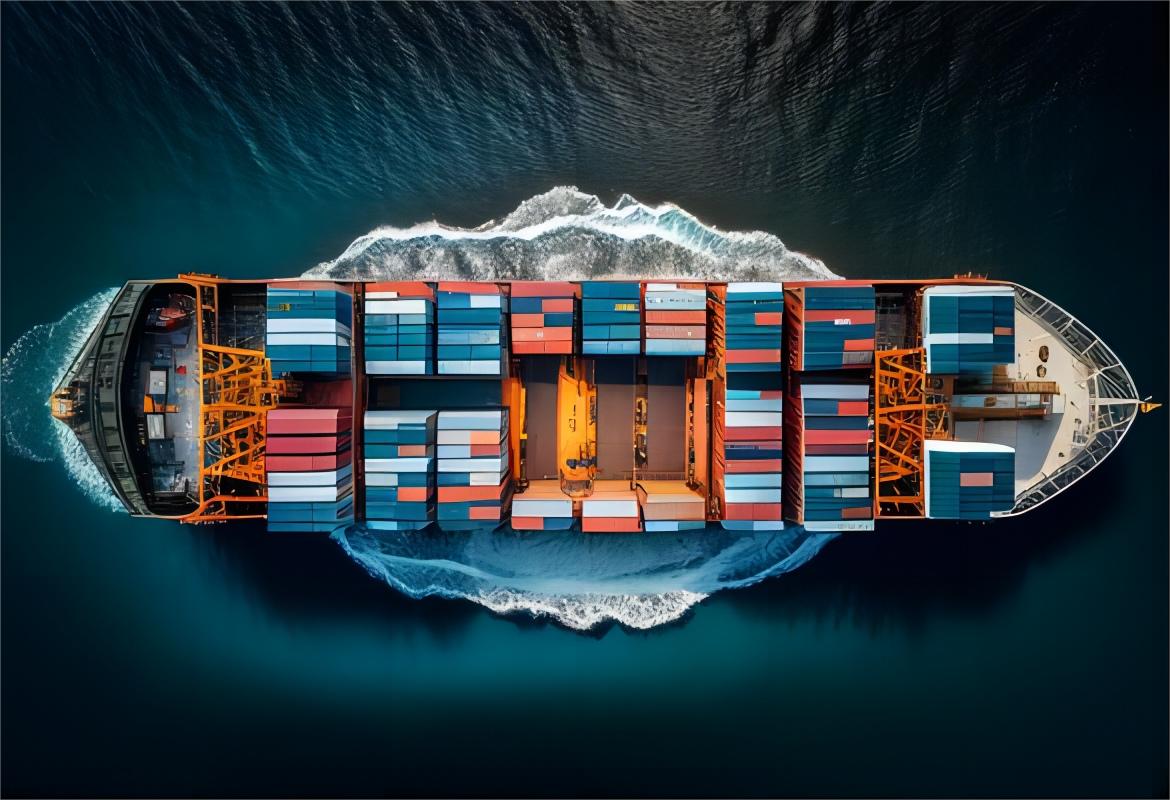
Navigating the complexities of international logistics requires a strategic approach to route selection and carrier management. Many businesses now consider China to Canada shipping Singapore as a viable transshipment alternative to direct Pacific routes. By partnering with a reliable expert like Made In China Freight, you can optimize your supply chain for both cost and speed. This guide explores how utilizing Singapore as a hub can enhance your shipping efficiency from the manufacturing centers of China to the Canadian market.
What is China to Canada Shipping Singapore Transshipment?
Transshipment involves moving cargo from one vessel to another at an intermediate port before it reaches its final destination. In the context of China to Canada shipping Singapore, goods are first sent from major Chinese ports like Shenzhen or Guangzhou to the Port of Singapore. Subsequently, the containers are transferred to larger ocean liners destined for Canadian ports such as Vancouver, Prince Rupert, or Montreal.
Choosing this route often depends on carrier alliances and specific vessel schedules that favor Southeast Asian hubs. Furthermore, Singapore serves as a premier global maritime center, offering world-class cargo handling and consolidation services. Consequently, businesses can sometimes find more competitive rates or better schedule reliability by routing through this strategic location rather than relying solely on direct trans-Pacific services.
However, shippers must weigh the benefits of transshipment against the potential for slightly longer transit times. While direct routes from Shanghai to Vancouver are generally faster, the Singapore route provides a critical alternative during periods of high congestion at major Chinese or North American gateways. Therefore, understanding the mechanics of this route is essential for maintaining a resilient supply chain.
How Does China to Canada Shipping Singapore Compare to Other Shipping Options?
Evaluating different logistics strategies is crucial for balancing your budget and delivery requirements. Direct shipping from Northern China usually offers the shortest lead times, but transshipment via Singapore can offer unique advantages in terms of equipment availability. Additionally, Singapore provides a robust platform for sea-to-air conversions if urgent delivery becomes necessary mid-transit.
Compared to direct routes, the Singapore option often features different carrier rotations which might bypass temporary strikes or port delays in other regions. Meanwhile, for shipments originating in Southern China, the distance to Singapore is relatively short, making it a natural gathering point for regional cargo. To help you decide, consider the following comparison of the primary shipping methods available for this corridor.
| Shipping Method | Cost Range (USD) | Transit Time | Best For |
|---|---|---|---|
| Direct Sea Freight | $2,200 – $3,800 | 18-25 Days | Fastest ocean transit |
| Transshipment via Singapore | $1,900 – $3,400 | 28-35 Days | Cost optimization |
| Standard Air Freight | $5.50 – $9.00/kg | 5-8 Days | High-value goods |
| Express Courier | $9.00 – $15.00/kg | 3-5 Days | Small urgent samples |
Key Methods for China to Canada Shipping Singapore Routes
Selecting the right transport mode is the most significant factor affecting your landed cost and customer satisfaction. Most high-volume importers utilize sea freight because it offers the lowest cost per unit for large inventories. Within ocean transport, you can choose between Full Container Load (FCL) for large shipments or Less than Container Load (LCL) for smaller volumes.
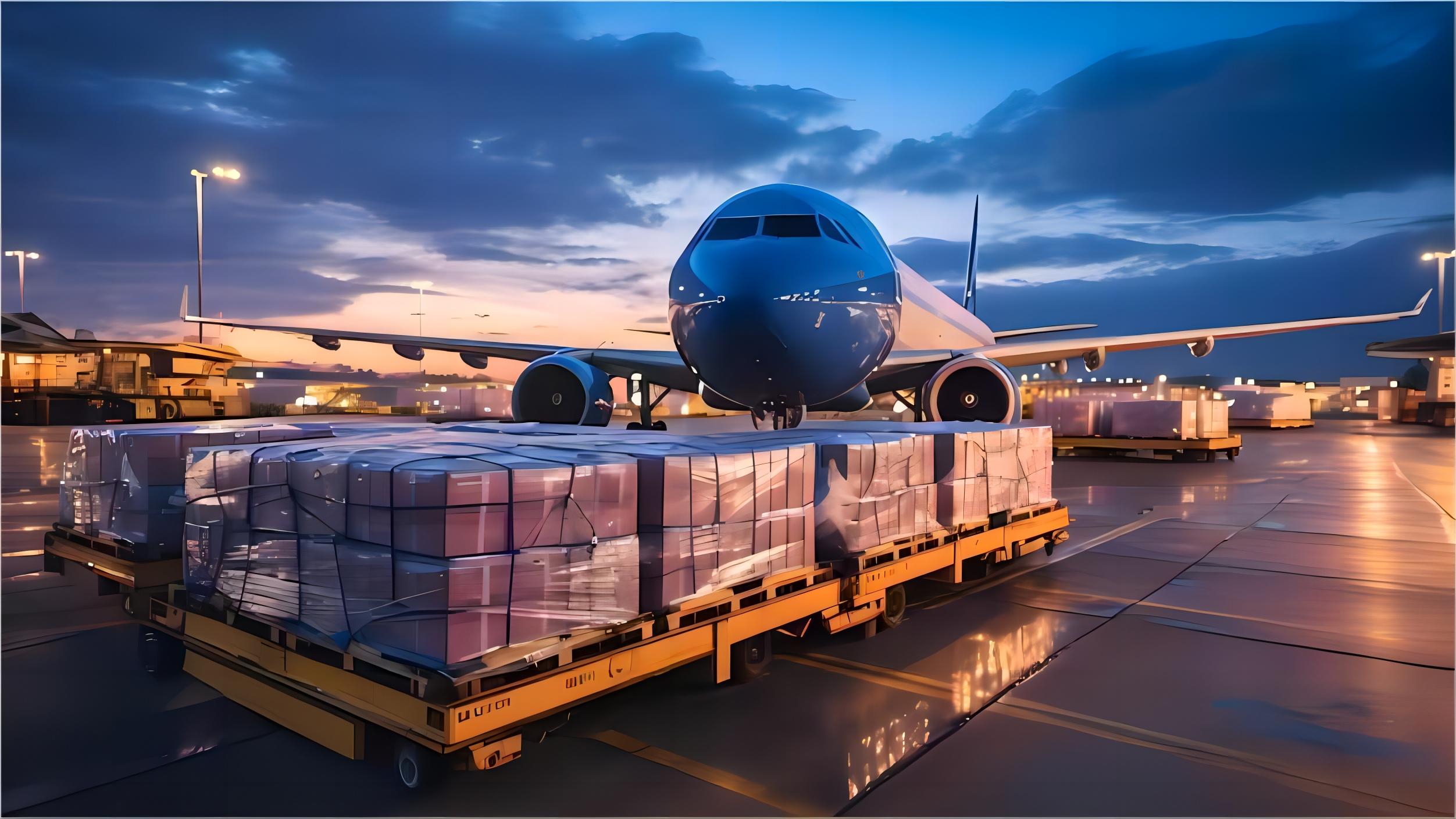
If speed is your primary concern, air freight remains the superior choice despite its higher price point. This method is particularly effective for electronics, seasonal fashion, or perishable items that cannot endure a month-long sea voyage. Moreover, air cargo via Singapore can take advantage of the Changi Airport hub, which is one of the most efficient in the world.
For small parcels or critical documents, using an express service provides a seamless door-to-door experience. This option simplifies the process by including customs clearance within the service fee, which is ideal for e-commerce sellers. Regardless of the method, each approach has specific trade-offs regarding security, price, and speed that you must consider carefully.
Detailed Breakdown of Shipping Costs and Freight Rates
Freight rates in the current market are influenced by fuel surcharges, seasonal demand, and global geopolitical events. As of early 2025, ocean freight prices have stabilized but remain sensitive to capacity fluctuations. For instance, a 40HQ container from China to Canada via Singapore might cost between $3,000 and $4,500 depending on the specific carrier and time of year.
In addition to the base ocean freight, you must account for origin and destination charges. These include terminal handling charges (THC), documentation fees, and inland trucking costs at both ends. Furthermore, Singapore transshipment might involve minor hub fees, though these are usually integrated into the total quote provided by your freight forwarder.
Note: Freight rates are subject to change based on fuel costs, carrier capacity, and seasonal demand. Contact us for a current quote tailored to your specific shipment.
| Container Type | Average Rate (USD) | Capacity | Common Use Case |
|---|---|---|---|
| 20GP Container | $1,800 – $2,600 | 33 CBM | Heavy machinery |
| 40GP Container | $2,800 – $3,800 | 67 CBM | General merchandise |
| 40HQ Container | $3,200 – $4,600 | 76 CBM | High-volume goods |
| LCL (per CBM) | $80 – $150 | Variable | Small palletized cargo |
Estimated Transit Times for Different Logistics Paths
Timeframes for China to Canada shipping Singapore vary significantly based on the final discharge port in Canada. Shipments to Vancouver are the fastest, typically taking 25 to 30 days when transshipping through Singapore. In contrast, cargo destined for Toronto or Montreal usually travels via the Panama Canal or involves a rail transfer from the West Coast, extending the timeline to 35 or 45 days.
Weather conditions and port congestion also play a pivotal role in the actual delivery schedule. During peak seasons, such as the months leading up to the winter holidays, transit times can increase by 7 to 10 days due to increased volume. Consequently, early booking is highly recommended to secure space on the most efficient vessels and avoid unnecessary delays at the Singapore hub.
Moreover, the time required for customs clearance at the Canadian border must be factored into your total lead time. While most shipments clear within 24 to 48 hours, any discrepancies in paperwork can lead to lengthy inspections. Therefore, ensuring all documentation is accurate before the vessel arrives is a critical step in the logistics process.
Essential Customs Documentation for Canadian Imports
Importing goods into Canada requires strict adherence to the regulations set by the Canada Border Services Agency (CBSA). The most important document is the Commercial Invoice, which must detail the buyer, seller, and a precise description of the goods. Additionally, a Packing List and a Bill of Lading are required to verify the contents and ownership of the shipment.
Working with a professional customs brokerage can significantly reduce the risk of errors and penalties. These experts ensure that your goods are correctly classified under the Harmonized System (HS) codes, which determines the duty rates you must pay. Furthermore, they can advise on any specific permits required for regulated items like food, chemicals, or electronics.
Notably, Canada has specific labeling requirements that must be met before goods can be sold in the domestic market. Failure to comply with these standards can result in the shipment being held at the port or even returned to the origin. Indeed, thorough preparation of your documentation is the best way to ensure a smooth transition through the Canadian border.
Real-World Case Studies: China to Canada Shipping Singapore
Examining actual shipping scenarios provides valuable insight into the practical aspects of international trade. These examples highlight how different businesses utilize Singapore as a hub to solve specific logistics challenges. By reviewing these cases, you can better understand the costs and timelines associated with various cargo types and shipping methods.
Case Study 1: Electronic Components to Vancouver
Route: Shenzhen, China to Vancouver, Canada via Singapore. Cargo: 12 CBM of high-value electronic components. Shipping Method: LCL Sea Freight. Carrier: Major Ocean Carrier. Port of Loading: Shenzhen. Port of Discharge: Vancouver. Route Type: Transshipment via Singapore.
Cost Breakdown: Ocean Freight: $1,450. Origin Charges: $350. Destination Charges: $420. Customs and Duties: $800. Total Landed Cost: $3,020. Timeline: Booking to Loading: 4 days. Sea Transit: 27 days. Customs Clearance: 2 days. Total Door-to-Door: 33 days. Key Insight: Transshipment via Singapore allowed for better cargo protection and consolidation than direct LCL options available at the time.
Case Study 2: Household Furniture to Toronto
Route: Foshan, China to Toronto, Canada via Singapore. Cargo: 40HQ Container of residential furniture. Shipping Method: FCL Sea Freight. Carrier: COSCO. Port of Loading: Nansha. Port of Discharge: Prince Rupert (Rail to Toronto). Route Type: Transshipment via Singapore.
Cost Breakdown: Ocean Freight: $4,200. Origin Charges: $500. Destination Charges: $950. Customs and Duties: $1,200. Total Landed Cost: $6,850. Timeline: Booking to Loading: 6 days. Sea Transit: 32 days. Rail Transit: 6 days. Customs Clearance: 3 days. Total Door-to-Door: 47 days. Key Insight: Using Singapore as a hub provided access to a specific carrier rotation that avoided congestion at the Port of Vancouver.
Which Option Should You Choose? Decision Framework
Determining the best shipping strategy depends on your specific priorities regarding budget, speed, and cargo volume. If your primary goal is to minimize costs and your lead times are flexible, sea freight via Singapore is often the most economical choice. Conversely, for time-sensitive inventory or high-value items, air freight is the only logical option despite the increased expense.
Many modern businesses are now adopting a door to door approach to simplify their operations. This service manages every step of the journey, from the factory floor in China to the warehouse in Canada, including the Singapore transshipment leg. This comprehensive solution reduces the administrative burden on your team and provides better visibility through a single point of contact.
Additionally, consider the volume of your shipments. For loads under 15 CBM, LCL is generally more cost-effective. However, once you exceed that threshold, the cost of a full 20GP container often becomes comparable while offering better security for your goods. Always analyze your monthly shipping volume to determine if consolidating smaller orders into a single FCL shipment could yield significant savings.
Final Thoughts on Shipping from China to Canada via Singapore
In conclusion, China to Canada shipping Singapore offers a strategic and reliable alternative for businesses looking to navigate the complexities of global trade. By understanding the different methods, costs, and transit times associated with this route, you can make informed decisions that benefit your bottom line. Whether you prioritize the speed of air freight or the cost-efficiency of sea freight, the Singapore hub provides the flexibility needed in today’s dynamic market.
Success in international shipping ultimately relies on meticulous planning and strong partnerships with experienced freight forwarders. By focusing on accurate documentation and choosing the right transport mode for your specific cargo, you can ensure a smooth and predictable supply chain. Start planning your next shipment today to take full advantage of the logistical benefits offered by the Singapore transshipment route.
Ready to streamline your logistics?
Are you ready to optimize your international logistics and reduce your shipping overhead? Contact the experts at Made In China Freight today to receive a personalized quote for your China to Canada shipping Singapore needs. Send Inquiry link
Request Quote